
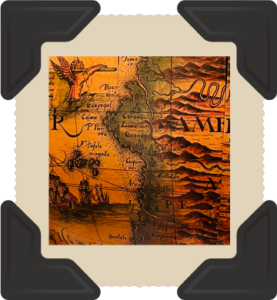
The War of the Pacific is not a widely known conflict outside of South America but it is one that made a lasting impact. The five-year war was conducted between 1879 and 1884. It pitted Peru and Bolivia on one side against the armed forces of Chile. Like many such conflicts the dispute was over land and natural resources.
The war ended in a Chilean victory. Bolivia thus became a landlocked country. It is not unusual for a landlocked country to have police or military units assigned to patrol their inland waterways. Indeed, some landlocked countries have large bodies of water where they maintain such a presence. However, most of such aquatic units are not part of a stand-alone navy. In 1966, Bolivia changed the name of such units to the Bolivian Naval Force. The name reflects the landlocked South American country’s long desired goal to reclaim access to the Pacific.
Bolivia suffered a legal setback in 2018 when the International Court of Justice ruled against them in their claim against Chile to try to obtain sea access. However, the Bolivian Navy still exists and boasts its own Naval Ensign and Naval Jack. Lake Titicaca which separates Bolivia from Peru, covers over 22,000 square miles and is roughly the same size as Lake Michigan. Many of the Bolivian watercraft are based there. While Bolivia is still landlocked, it cut a deal with Peru in 2010 and entered into a 99-year lease of a 1.38 square mile property on the Pacific Coast. So, Bolivia now has access to a port and operates part of its naval school there.
