
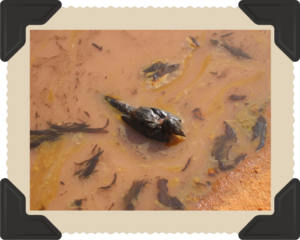
Dirt gets a bad rap. And that’s a shame because we owe the ability to live on this planet to that 6 inches of topsoil we call dirt. In the environmental space recently there’s been a movement growing beyond recycling, which in and of itself is a fair solution for the tons of “disposable” material that we go through every day. The new movement is composting. The ability to take natural, biodegradable materials after use and let them turn right back into dirt. I was fortunate enough four years ago to be offered an opportunity to work for a company that’s doing just that.
Some things are dirtier than dirt. Every year, millions of gallons of oil, fuel and other hydrocarbons are spilled around the world. These liquids can have a catastrophic impact on the world around us, just a couple of quarts of it could kill all the life in a one- acre pond. Something has to clean up all those spills before they can do all that damage. Up until now, we relied on absorbents made from plastic and minerals to clean them up. Well, they tell you they’re cleaning them up but actually they’re just soaking them up then taking the whole mess to a hazardous landfill where it gets buried. Outta sight, outta mind, amiright?
Green Boom’s invention was the realization of a vision that oil spill cleanup could be possible without any waste; both materials spilled as well as absorbent materials used to capture that spill. One of the two pillars that Green Boom relies on is the biodegradability of the sorbent material used to capture that spill. Using natural, plant-based materials (modified by our patented process to make agricultural materials hydrophobic and oleophilic) provides an oil-only absorbent that functions the same as legacy plastic-based absorbents. But unlike plastic absorbents, it can go away just like the leaves that fall and the apple core on the ground. That brings us to the second pillar: a naturally occurring microbe just like the yeast that makes your daily bread and the stuff that makes yogurt better than curdled milk. But this microbe doesn’t eat sugar, it eats oil. Once it’s eaten all the oil, all that’s left behind is some straw and cotton (inert biomass if you want to get technical).
Combined our products displace tons of oily plastic waste destined for landfills every year. Our goal is to one day displace all of the thousands of tons of oily waste being buried every day.
It’s no easy mission to reinvent an industry that has used the same plastic materials and hazardous waste landfill infrastructure for decades, but as the saying goes, “We didn’t do this because it was easy, we did this because we thought it would be easy”.
More information on Green Boom can be found here: https://www.greenboom.com/
